Farmers Market to Online
What to Sell Online vs What to Keep Market-Only
April 25, 2026
Not every product you sell at the market should go on your website. Here's how to decide what to list online and what to keep as a booth-only experience.
You don't need to put everything on your website. In fact, you probably shouldn't.
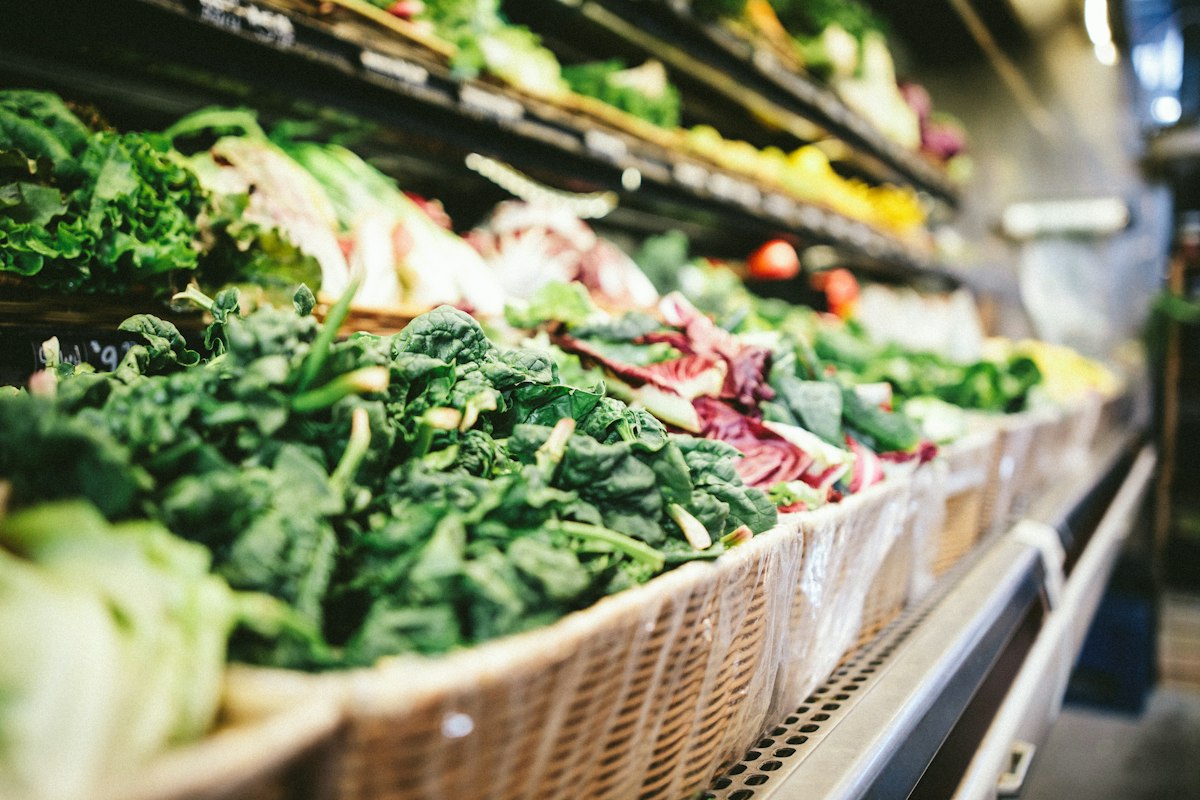
Some products are perfect for online sales — they ship well, they photograph well, they don't need explanation. Others are better as market-only items that give people a reason to visit your booth.
The decision isn't complicated, but it's worth thinking through. Here's a framework for deciding what goes online, what stays at the market, and how to use each channel strategically.
The Three Questions
For each product, ask:
1. Can It Ship Safely and Affordably?
This is the first filter. If a product is fragile, perishable, or expensive to ship relative to its price, it may not work online.
Ships well:
- Soap, candles, skincare products, honey, shelf-stable foods
- Dried goods, spice blends, tea, coffee
- Jewelry, pottery (with proper packaging), textiles
- Frozen meat (with insulated packaging)
Harder to ship:
- Fresh baked goods (short shelf life)
- Live plants (fragile, seasonal)
- Prepared meals (food safety regulations)
- Very heavy items where shipping exceeds the product price
"Harder to ship" doesn't mean impossible — it means you need to factor in packaging costs, shelf life, and whether customers will pay for expedited shipping. Frozen meat ships across the country every day, but it requires insulated boxes and 2-day shipping.
2. Can the Product Sell Without a Sensory Experience?
Some products sell because people can touch, smell, or taste them. Others sell on description and photos alone.
Sells well without sensory experience:
- Products with clear functional benefits ("organic face oil for dry skin")
- Products with strong brand stories ("grass-fed beef from our family ranch")
- Products where ingredients or materials are the selling point
- Repurchases (they already know what it is)
Harder to sell online without prior experience:
- Products where scent is the primary selling point (candles, perfume — though it's done successfully with good descriptions)
- Products where texture or fit matters (clothing, some pottery)
- Anything that relies on taste testing to convert
For products in the "harder" category, your product descriptions need to work extra hard. You can also use free samples at the market to get that first purchase — then sell refills and reorders online.
3. Does the Margin Work After Shipping?
A $5 bar of soap with $8 shipping is a tough sell. A $45 face oil with free shipping works great.
Calculate the fully loaded cost of an online order:
- Product cost
- Packaging materials
- Shipping (or partial shipping if you offer free shipping thresholds)
- Payment processing fees (Shopify takes ~2.9%)
If the margin is too thin on individual items, consider bundles. A $5 soap doesn't work alone, but a $28 soap bundle of four ships for the same cost and makes the economics work.
The Strategic Split
Tier 1: Online Stars — List These First
Products that are:
- Shelf-stable or easy to ship
- Higher price point (margin absorbs shipping)
- Repurchased regularly (recurring revenue)
- Easy to photograph and describe
- Your best sellers at the market
These are your core online catalog. Start with 5-10 of these and you have a functional online store.
Tier 2: Online With Strategy — List These Next
Products that need some strategy to work online:
- Lower-priced items that work in bundles or multi-packs
- Seasonal items (holiday gift sets, summer collections)
- Products that need strong descriptions because you can't sample them online
- Items that ship but need special packaging
These expand your online catalog once your core products are established.
Tier 3: Market-Only — Keep These at the Booth
Products that are strategically better as market exclusives:
- Fresh or highly perishable items
- Items where the in-person experience IS the product (tastings, demonstrations)
- Very low-priced items that can't justify shipping
- Limited-edition or small-batch items where scarcity drives booth traffic
Market-only items aren't failures — they're strategic. They give people a reason to visit your booth. "You can only get this at Saturday's market" is a powerful draw.
Using Market-Only Products to Drive Online Sales
Your market-only products can still support your online business:
Samples at the booth drive online reorders. Offer a taste or tester of a product at the market. When they love it, they know exactly what they're getting when they order online. The market converts them; the website retains them.
Market exclusives build your email list. "Want to know when this limited batch is available? Sign up for our email list." Market-only products create urgency that drives email list signups.
Market-only products create content. "This week's market-only special" makes great social media and email content. It drives booth traffic AND keeps your brand in people's inboxes, where they'll also see links to your online products.
Online-Only Products: The Hidden Opportunity
Here's something most market vendors don't consider: you can sell things online that you don't bring to markets.
Bundles and gift sets. Curate multi-product bundles that would be awkward to sell at a booth but work perfectly online. A "starter kit" or "gift set" or "seasonal box" is often your highest-margin online product.
Subscription boxes. A monthly delivery of your products. This only works online, and it's recurring revenue that no market booth can match.
Larger quantities. At the market, people buy one jar of honey. Online, they can buy three — or a case. Offer bulk pricing that makes sense for customers who want to stock up.
Seasonal collections. Holiday-themed bundles, summer collections, winter warmers. Create them online and promote through your email list and social media.
The Launch Strategy
Don't overthink this. Here's the order:
- Pick your top 5 market sellers that ship well and have decent margins → list these online
- Create one bundle from your top products → this is your online-only hero product
- Keep your market-only items at the booth and use them to drive signups and booth traffic
- After 1-2 months, look at your online sales data. Which products sell? Add more like those. Which don't? Improve the descriptions or move them to market-only.
You can always adjust. This isn't a permanent decision. List what makes sense, see what works, and iterate.
The Both-And Approach
The strongest small brands sell the same core products at the market AND online, while keeping a few items exclusive to each channel:
| Channel | Products | Purpose |
|---|---|---|
| Market + Online | Core best sellers | Maximum reach and reorder potential |
| Market-only | Samples, fresh items, limited batches | Drive booth traffic and list signups |
| Online-only | Bundles, gift sets, bulk, subscriptions | Higher order value, recurring revenue |
This gives your customers reasons to engage with both channels — and maximizes your total revenue.
If you want help figuring out which products to prioritize online and how to present them, that's part of what we do.