Farmers Market to Online
Why Farmers Market Vendors Need an Online Store in 2026
April 16, 2026
You're doing well at the market. But an online store protects your income, expands your reach, and builds a business that doesn't depend on showing up every Saturday.
Business is good at the market. Your regulars show up. You sell through most of your inventory. Some weekends you sell out early.
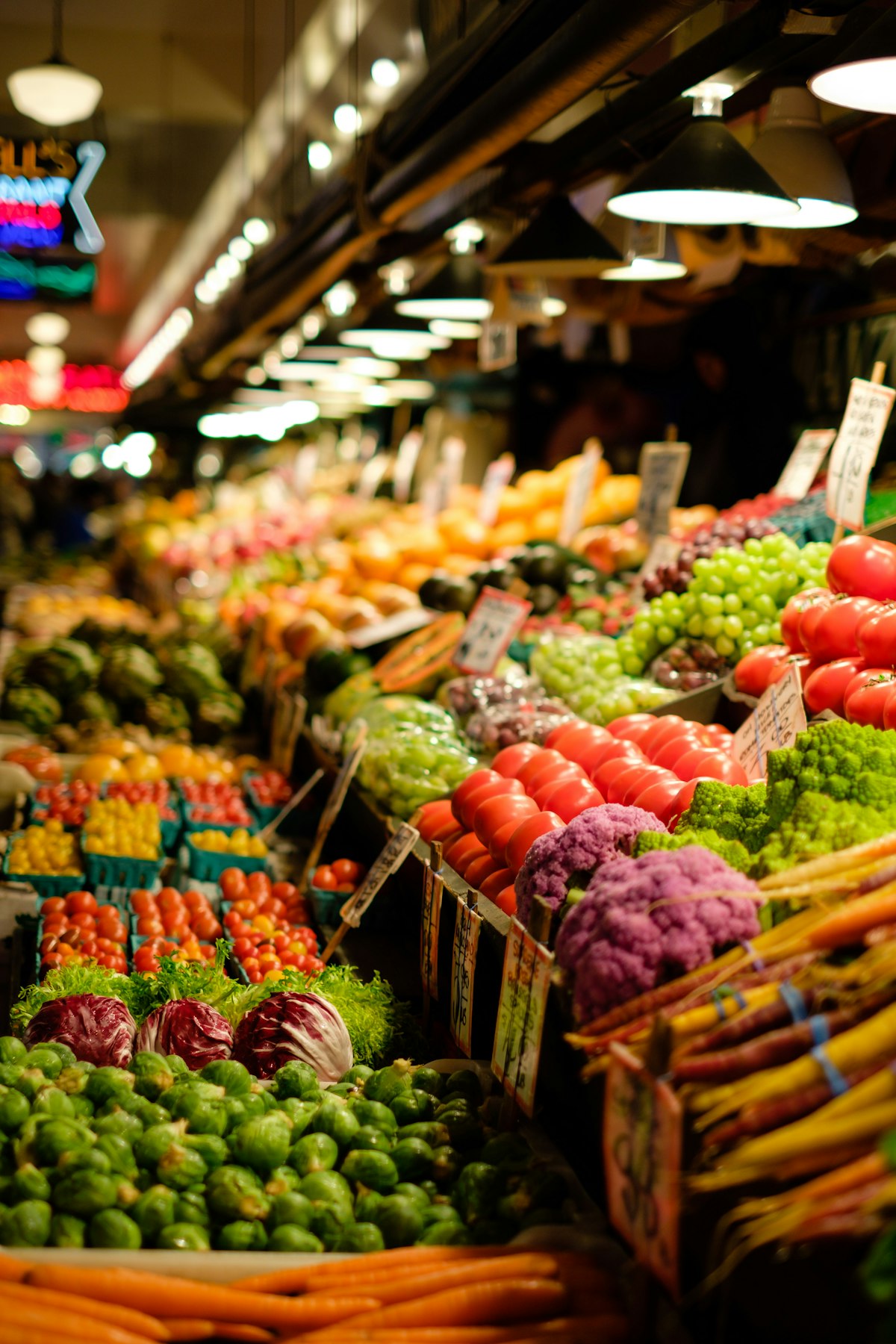
So why would you need an online store?
Because right now, your entire business depends on being physically present at a specific place at a specific time. If it rains, revenue drops. If you get sick, revenue drops. If the market closes for the season, revenue stops.
An online store doesn't replace the market. It removes the ceiling from your business.
The Case for Adding Online Sales
Revenue Between Markets
You sell at the market on Saturday. What happens the other six days? For most vendors, the answer is: nothing. You're prepping product, maybe posting on social media, but not generating revenue.
An online store is open 24/7. The customer who loved your hot sauce at Saturday's market can reorder on Tuesday. The person who saw your Instagram post at midnight can buy right then. Revenue doesn't have to be a once-a-week event.
Weather and Season Independence
Every market vendor knows the pain of a rained-out Saturday. Or the three-month gap when winter markets don't run. An online store doesn't care about weather. It doesn't have seasons. It sells in July heat and January cold.
This isn't theoretical — it's basic risk diversification. The vendors who added online during the pandemic learned this lesson. The ones who didn't had their income disappear overnight.
Reach Beyond Your Local Area
At the market, your customer pool is whoever shows up that day within driving distance. Online, it's anyone in the country (or beyond) who searches for what you sell.
Your lavender honey isn't just competing with the other honey vendor at your market. It's available to anyone who Googles "artisan lavender honey" — if your store shows up. And the SEO to make that happen is more accessible than you think.
Building an Asset
A market booth is a job. An online store with good content and SEO is an asset. Blog posts you write today bring traffic for years. An email list grows every week. Customer reviews accumulate. Brand authority compounds.
If you ever want to step back from markets, raise your prices, hire help, or sell the business, an online presence makes all of that possible. A market booth with no digital footprint doesn't transfer.
"But My Product Sells Better in Person"
Of course it does. In-person sales have unfair advantages — touch, smell, taste, your personal pitch. Nobody's arguing that a website converts better than your booth.
But that's not the comparison. The comparison is:
- Market only: Revenue on the days you show up, from the people who come to the market
- Market + online: Revenue every day, from people near you AND people who find you on Google
You don't need your online conversion rate to match your booth. You need it to add incremental revenue that wouldn't have existed otherwise.
Even if your online store only generates 20% of what your market booth does, that's 20% more revenue from a channel that requires no physical setup, no booth fees, and no driving across town at 5am.
What You Actually Need to Get Started
You don't need a complex website. You need the minimum that works:
A Shopify store with your top products listed. Not every product — just your best sellers. You can add more later.
A custom domain. yourbrand.com. Not the free myshopify.com URL.
Real product descriptions. Not one-liners — write them like you'd describe the product at your booth.
Shipping figured out. Start with flat-rate shipping to keep it simple. You can optimize later. If your product is perishable, research insulated packaging (it's more accessible and affordable than you'd think).
Google Search Console set up. So Google knows your store exists and starts sending you traffic. Takes 10 minutes.
That's a weekend project, not a month-long undertaking.
The Vendors Who Don't Need an Online Store
To be fair, online isn't for everyone:
- If you sell exclusively perishable prepared food that can't ship (fresh bread, prepared meals), online sales are harder (though not impossible — local delivery is an option)
- If you're at capacity and selling out every market, adding online might create production pressure you don't want
- If you genuinely enjoy the market-only lifestyle and aren't looking to grow, that's a valid choice
But if you want to grow revenue, reduce weather/season risk, reach new customers, or build something beyond a booth — an online store is the move.
The Real Risk Is NOT Having One
Five years ago, having a website was optional for a market vendor. In 2026, it's a credibility issue.
When someone meets you at the market and wants to learn more, the first thing they do is Google your brand name. If nothing comes up — no website, no store — that's a red flag. It signals that you might not be a serious business.
When they Google you and find a professional Shopify store with real product descriptions, an About page with your story, and a blog with useful content — that's trust. That's credibility. That's a customer who's more likely to buy at the market AND online.
Your online store isn't just a sales channel. It's your digital business card, your credibility builder, and your 24/7 storefront — all in one.
Getting Started This Week
- Set up a Shopify store with your top 5 products (one weekend)
- Set up Google Search Console (10 minutes)
- Print a QR code sign for your booth pointing to your store
- Tell your regulars at this weekend's market
That's it. You're online. Everything else — blogging, SEO, email marketing — can come later. The first step is having a store that exists and works.
If you want help getting set up or building out the SEO and content that turns your store into a real sales channel, that's exactly what we do.