Social Media
Social Media vs SEO: Which Matters More for Small Product Brands?
May 12, 2026
Should you focus on Instagram or Google? For small product brands, the answer isn't either/or — but one builds a lasting asset and the other doesn't.
You have limited time. You can't do everything. So which matters more for your small product brand — growing your social media presence or building your SEO?
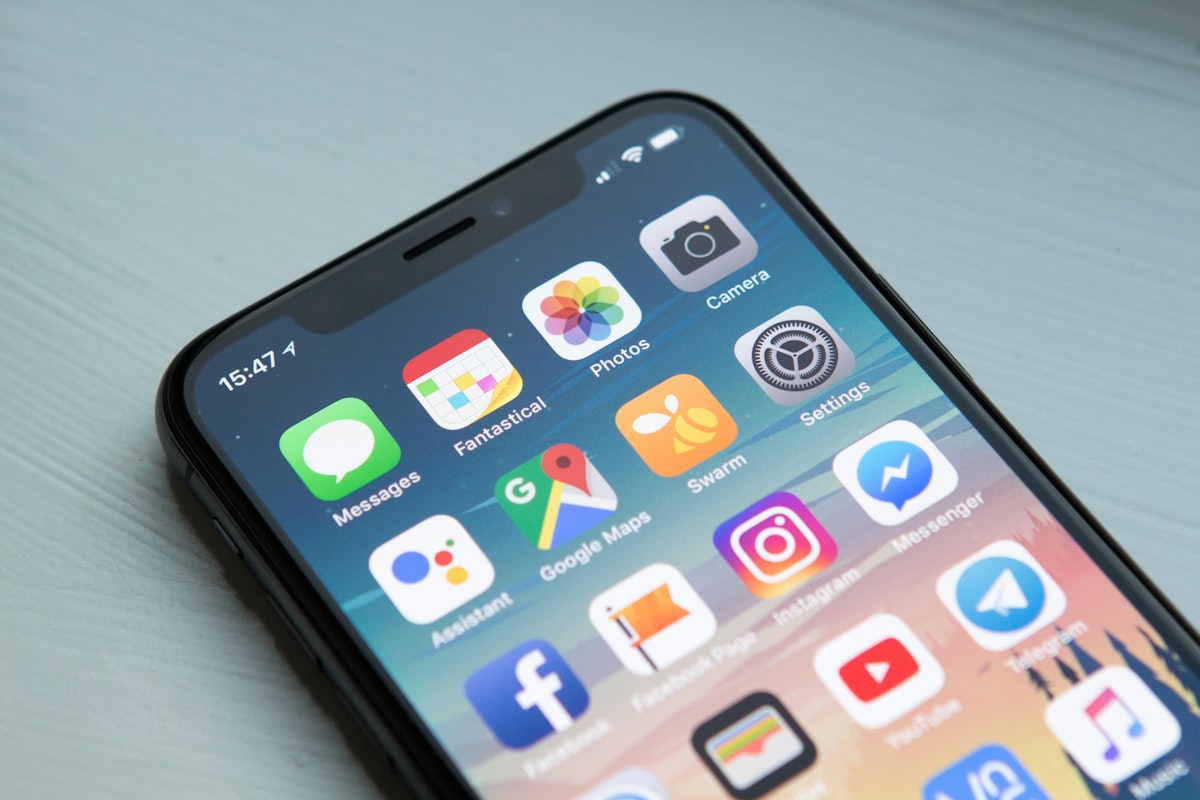
The honest answer: both matter, but they matter differently. And if you can only invest seriously in one right now, the answer depends on where your business is today.
Here's the breakdown.
What Each Channel Does Best
Social Media: Relationship and Reach
Social media is where people discover your brand, see your personality, and build a relationship with you. It's visual, personal, and immediate.
Best for:
- Showing your process and behind-the-scenes
- Building personal connection with potential customers
- Driving immediate traffic to a new product or restock
- Reaching your local community (especially Facebook)
- Staying top-of-mind between purchases
Limitation: The traffic stops when you stop posting. A great Instagram post gets attention for 24-48 hours, then it's buried by the algorithm. You're renting attention, not building it.
SEO: Discovery and Compounding
SEO is how strangers find you through Google. It's slower to build but creates lasting traffic that grows over time.
Best for:
- Getting found by people who've never heard of you
- Ranking for searches like "handmade soap for eczema" or "grass-fed beef delivery"
- Building an asset that brings traffic for years (one blog post = years of visitors)
- Establishing authority and credibility
- Driving traffic that doesn't depend on an algorithm you don't control
Limitation: It's slow. Results take months. It's not visual or personal the way social media is. And it requires writing content, which not everyone enjoys.
The Key Difference: Rented vs Owned
This is the most important distinction for a small brand owner:
Social media traffic is rented. Instagram decides who sees your post. If the algorithm changes (and it does, constantly), your reach changes with it. If Instagram goes down, or your account gets disabled, your audience is gone. You don't own your follower list.
SEO traffic is owned. When a blog post ranks on Google, it brings traffic day after day whether you post anything new or not. Google's algorithm changes too, but the traffic from quality content is dramatically more stable than social media reach. And the visitors come to your website — where you can capture their email and convert them into customers you own.
A blog post you write today can bring 50 visitors per month for the next two years. An Instagram post you make today brings traffic for two days.
When to Prioritize Social Media
Social media should be your primary focus if:
- You're brand new online. SEO takes months to build. Social media can drive your first sales in days. Start with social to get initial traction while your SEO foundation builds.
- You sell at markets. Social media is the best bridge between in-person and online. Post market recaps, tell your regulars you're online, use it as a complement to your booth.
- Your product is highly visual. If your product photographs beautifully and your process is visually compelling, social media is a natural fit.
- You have less than 3 months of runway. If you need sales soon, social media's immediacy beats SEO's slow build.
When to Prioritize SEO
SEO should be your primary focus if:
- You want long-term, sustainable traffic. SEO compounds. The more content you create, the more traffic you get, and each new piece builds on the authority of existing pieces.
- You're building a brand, not just selling product. An SEO-driven content strategy positions you as the authority in your niche. People find your blog, learn from you, and trust you before they ever see a product page.
- You want to reach beyond your local area. Social media is great for local reach. SEO is how you reach anyone in the country who searches for what you sell.
- You're thinking 6-12 months ahead. If you can invest time now for payoff later, SEO is the highest-ROI channel available.
For a deeper dive on SEO, see our Shopify SEO guide for small brands.
The Best Answer: Both, With Different Roles
For most small product brands, the winning strategy uses both channels for different purposes:
| Social Media | SEO | |
|---|---|---|
| Role | Relationship + reach | Discovery + authority |
| Speed | Immediate | 3-6 months |
| Lifespan | 24-48 hours per post | Years per article |
| Traffic ownership | Rented (algorithm-dependent) | Owned (your website) |
| Best content | Video, photos, stories | Blog posts, guides |
| Conversion path | Social → email → store | Google → blog → store |
| Time investment | Ongoing (1 hr/week) | Front-loaded, then maintenance |
How They Work Together
- SEO brings strangers to your blog. Someone Googles "is goat milk soap good for eczema" and finds your article.
- Your blog converts them to email subscribers. A popup or inline form captures their email.
- Social media keeps them engaged. They follow you on Instagram and see your process, your story, your personality.
- Email drives the purchase. Your weekly email with a product link converts them from reader to buyer.
- Social media brings them back. They see your market recap post and order again.
Each channel has a job. None of them works as well alone as they work together.
The Practical Split
If you have 3 hours per week for marketing, here's how to split it:
Year 1 (building the foundation):
- 1 hour: Social media (3 posts per week, Stories, DM replies)
- 1.5 hours: SEO (one blog post every two weeks)
- 0.5 hours: Email (one email per week to your list)
Year 2+ (maintaining and optimizing):
- 1 hour: Social media (maintain consistency)
- 1 hour: SEO (one blog post per month, update existing content)
- 1 hour: Email (weekly email, improving sequences)
In year one, you're building. Blog posts, product pages, email list. By year two, much of that foundation is working on autopilot and you shift toward maintaining and optimizing.
What Happens If You Only Do One
Social media only: You'll get some sales from your existing audience and local community. But you'll be on a treadmill — the moment you stop posting, traffic stops. After a year, you'll have followers but no sustainable traffic source beyond what you manually create each week.
SEO only: After 6-12 months, you'll have a growing stream of organic traffic from Google. But you'll miss the relationship-building and visual storytelling that social media provides. Strangers will find you, but the personal connection that converts them will be weaker.
Both: After a year, you have organic traffic growing from Google, an engaged social media audience, a growing email list, and multiple paths from discovery to purchase. Each channel reinforces the others.
Start Where You Are
If you're doing nothing right now, start with social media — it's faster and more intuitive. Post three times per week and build the habit.
Then, within the first month, set up your SEO foundation and write your first blog post. The SEO clock starts ticking from the day you publish.
By month three, you should have both channels running. By month six, you'll see why the combination works.
Need help building a strategy that uses both channels effectively? That's what we do.