Selling Handmade Online
How to Get Your First Online Sales When You've Only Sold in Person
March 25, 2026
You've sold at markets for years but your online store has zero traction. Here's how to bridge the gap and get your first real online sales.
You've been selling at farmers markets, craft fairs, or local events for a while. You know your product sells. People love it. You have regulars.
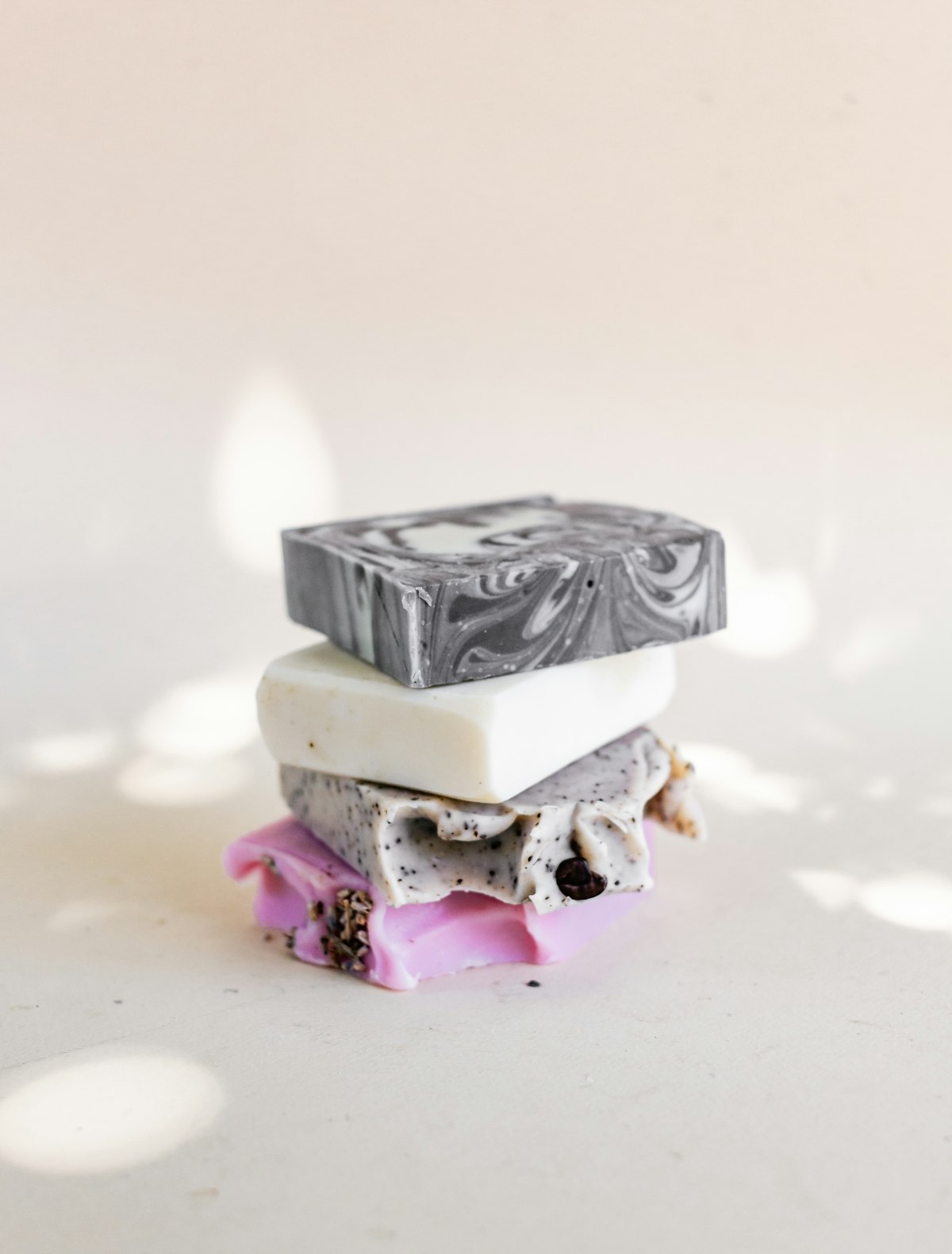
Then you set up a Shopify store, posted the link on Instagram, and waited. Maybe you got a couple orders from friends. But strangers buying from your online store? Hasn't happened yet.
The jump from in-person to online sales feels like it should be simple — it's the same product, after all. But the skills that make you great at selling at a booth don't automatically translate to selling on a screen. Different medium, different rules.
Here's a practical plan for getting your first real online sales, starting with the assets you already have.
Start With the People Who Already Know You
Your first online customers shouldn't be strangers from Google. They should be the people who already love your product — your market regulars, your Instagram followers, your friends and family who've been buying from you for years.
These people don't need convincing. They just need a nudge and an easy way to buy.
At Your Booth
Put a QR code on your table. Print a small sign that says something like "Shop online — we ship anywhere" with a QR code that goes directly to your Shopify store. Not your Instagram. Not your Linktree. Your store.
Include a card with every purchase. A simple postcard or business card that says "Loved this? Order again at yourbrand.com" with your URL and a QR code. This goes in every bag. It costs pennies and turns every in-person sale into a potential repeat online customer.
Mention that you ship. This sounds obvious, but many market customers genuinely don't know you have an online store. When someone buys at your booth, a simple "by the way, we also ship — yourbrand.com if you ever want to order more" plants the seed.
On Social Media
Post your product links, not just photos. A pretty photo of your product on Instagram gets likes. A post that says "This sold out at Saturday's market — it's back in stock online, link in bio" gets sales. Always give people a way to buy.
Tell a story, then link to the product. "This is the soap that started everything. I made the first batch in my kitchen three years ago. It's still our best seller. [Link to product page]." Stories sell. Links convert. Combine them.
Use Instagram and Facebook stories with product stickers. Tag your products directly in stories. It reduces friction — one tap and they're on your product page.
Through Email
Collect email addresses at your booth. A clipboard with a simple signup sheet works. A tablet with a form is better. Even just asking "want to get an email when we have new products?" is enough.
Send one email per week or every other week. New product alerts, restock notifications, behind-the-scenes content, market schedule updates. Every email should include at least one link to your store. You don't need fancy software to start — Mailchimp's free tier handles thousands of subscribers.
Email is the most underrated sales channel for small brands. Your open rates will be dramatically higher than any social media algorithm gives you, because these people actively chose to hear from you.
Make Your Store Ready for Its First Visitors
Before you drive people to your store, make sure it's ready to convert them. Nothing kills a potential sale faster than landing on a store that looks unfinished.
The Minimum Viable Store Checklist
- Custom domain — yourbrand.com, not yourbrand.myshopify.com
- Clear product photos — well-lit, multiple angles, at least one lifestyle shot
- Real product descriptions — 150+ words each, written like you're explaining it at your booth
- About page — your story, your photo, why you make what you make
- Shipping info — clear pricing, estimated delivery times, where you ship to
- Return/refund policy — even a simple one builds confidence
- Contact info — email at minimum, phone number if you're comfortable
- At least one payment method — Shop Pay, Apple Pay, or Google Pay alongside credit cards reduces checkout friction
You don't need a perfect store. You need a store that doesn't raise red flags. A first-time visitor should land on your page and think "this is a real business" within three seconds.
Your First Online Sale: The Bridge Strategy
Here's a specific play-by-play to get your first online sale this week:
Day 1: Prep your store. Run through the checklist above. Fix any obvious gaps. Write a real product description for your best seller.
Day 2: Create your bridge materials. Print a QR code sign for your booth. Print business cards or postcards with your URL. Set up an email signup (even a Google Form works to start).
Day 3: At your next market or event. Put the QR code on your table. Include a card in every bag. Mention your online store to at least 10 customers. Collect at least 5 email addresses.
Day 4: Post on social media. Share your best-selling product with a direct link to the product page. Tell the story behind it. Ask people to share.
Day 5: Send your first email. If you collected any emails, send a short note: "Thanks for visiting us at [market]. Here's a link to order your favorites online: [store link]." Keep it personal.
Day 6-7: Follow up. Post another product on social. Reply to any DMs with product page links. Check your Shopify dashboard.
If you do all of this and nobody buys, that's data — not failure. Check where people are dropping off. Are they visiting your store but not adding to cart? Your product pages might need work. Are they not visiting at all? Your messaging might need work.
Growing Beyond Your Existing Network
Your first sales will come from people who know you. But the goal is to get sales from people who don't — strangers who find you through Google, social media, or word of mouth.
This is where content starts to matter:
SEO brings strangers to your store. When someone Googles "what does ozonated oil do for skin" and your blog post shows up, that's a new potential customer who's never been to your booth. Our Shopify SEO guide for small brands covers how to set this up.
Blog posts build trust before the sale. Someone who reads three of your articles before visiting your product page is a much warmer lead than someone who sees a random ad. They already know you know what you're talking about.
Email converts over time. Not everyone buys on the first visit. But if they're on your email list, you can stay in their inbox until the right moment — a gift-buying holiday, a restock of their favorite product, or just a story that reminds them you exist.
The Realistic Timeline
Be honest with yourself about expectations:
Week 1-2: Sales from friends, family, and market regulars who you directly told about the store. This is validation, not traction.
Month 1-2: Sales from your social media audience and email list. Still mostly people who know you, but the circle is expanding.
Month 3-6: First sales from strangers. Someone finds a blog post through Google, clicks to a product page, and buys. This is where it starts to feel real.
Month 6-12: Online sales become a consistent revenue stream. You're getting orders between markets. Holiday seasons spike. Repeat customers are ordering regularly.
The brands that make this transition successfully are the ones that treat online as a real channel, not an afterthought. That means investing time (or hiring help) to build the foundation — product pages, content, SEO, email — even when the results aren't immediate.
Need Help Making the Jump?
Going from in-person to online is a real transition, and it's one we help small brands make every day. If you'd rather focus on your product and let someone handle the online side — the SEO, the content, the strategy — let's talk.